South Africa
17-23 October 2027 | Indaba Hotel & Conference Centre, Johannesburg, South Africa
The Republic of South Africa is one of Africa’s top three economies alongside Nigeria and Egypt. The country’s broad-based economy is one of the most advanced amongst developing economies and boasts infrastructure to match any first-world country.
Travel to other destinations in the southern African region is possible. Just two are mentioned here.
- The Kruger National Park, famous not only for the Big Five African animals but also for ecological management, is about 5 hours’ drive or 1 hour by air from Johannesburg. The park is just under 20 000 km2 in area: about half the size of Switzerland.
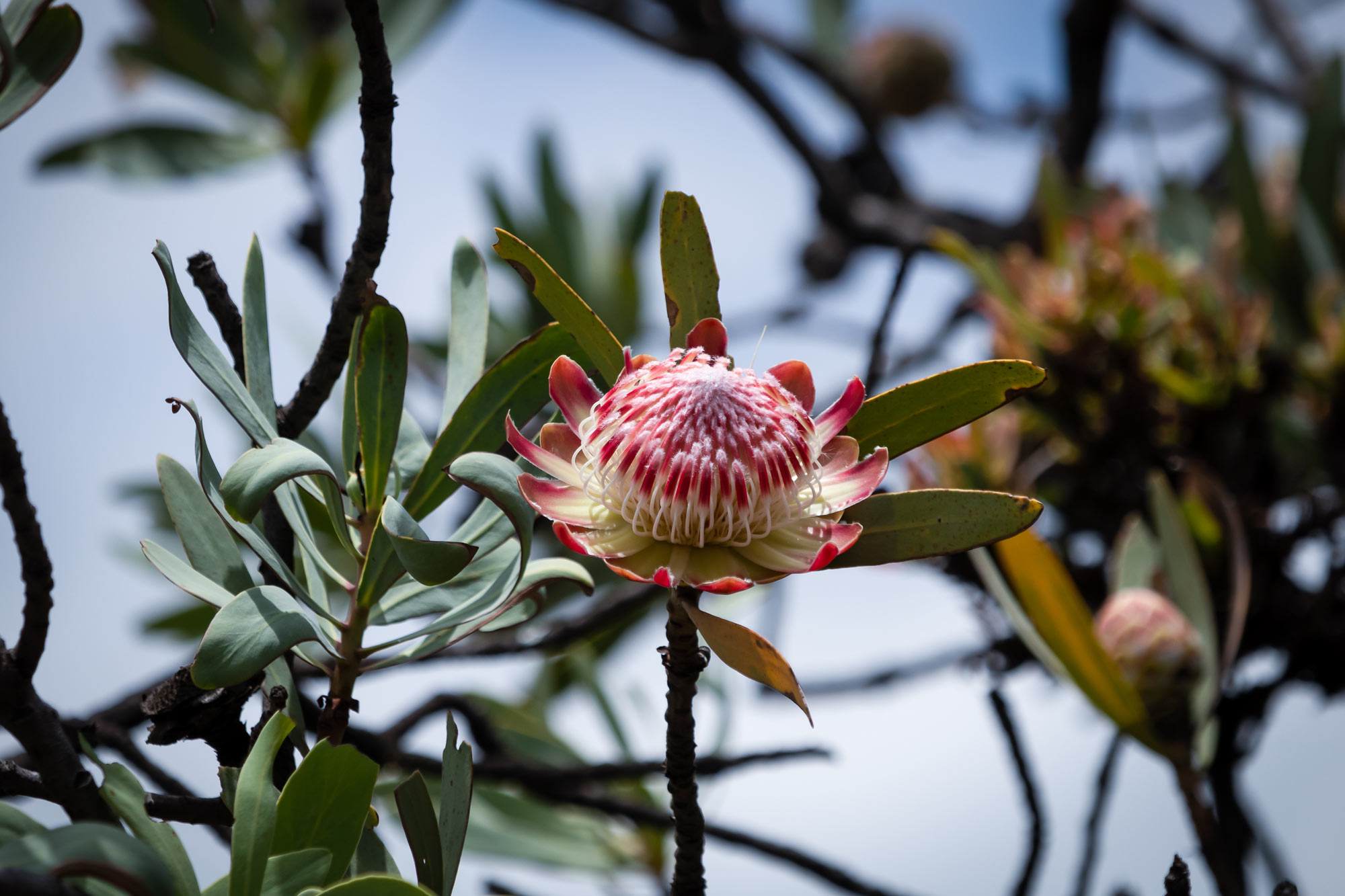
- Cape Town is famous for the Table Mountain cable car, the profound historical significance of Robben Island, and the unique indigenous Cape Floral Kingdom. The winelands of the Cape of Good Hope are within easy reach of day tours.
Southern Africa
This conference is hosted by SAPhysNet, a physics collaboration across the Southern African region: Angola, Botswana, Eswatini, Lesotho, Malawi, Mauritius, Mozambique, Namibia, South Africa, Tanzania, Zambia and Zimbabwe, together with the South African Institute of Physics. In the region, a few examples of notable facilities are:
- Namibia hosts the High Energy Stereoscopic System H.E.S.S.
- The Square Kilometre Array SKA-Mid Core Site is located in the in the remote Karoo region of South Africa. Antenna stations will be situated in Botswana, Ghana, Ghana, Madagascar, Mauritius, Mozambique, and Namibia.
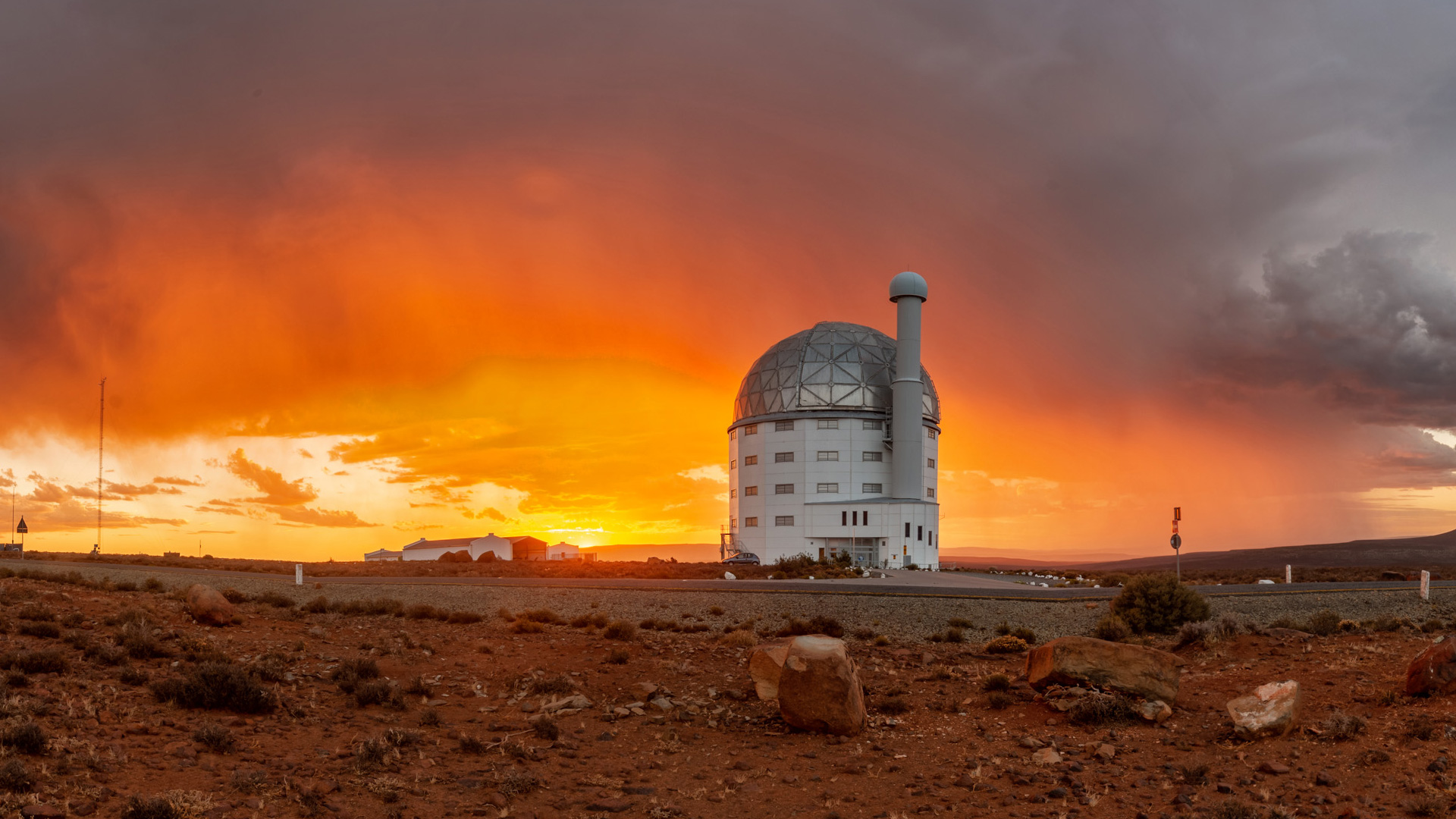
- The Southern African Large Telescope is situated in Sutherland, South Africa.
Climate
See https://en.climate-data.org/africa/south-africa/gauteng/johannesburg-3221/
October is early summer.
Temperatures: Average daily highs range from 24°C to 28°C, while nights cool down to a pleasant 15°C.
Rainfall: Summer is the rainy season, bringing the vast majority of the city’s annual precipitation.
The Weather Pattern: Rain typically falls as brief, dramatic late-afternoon thunderstorms accompanied by spectacular thunder and lightning.
Sun: the altitude is 1700 m. Sun protection is highly recommended.
The El Niño-Southern Oscillation (ENSO) severely affects Southern Africa, primarily during its austral summer (November–March). El Niño phases trigger warmer and drier-than-average conditions. Conversely, La Niña phases typically bring increased rainfall.
More: https://iopscience.iop.org/article/10.1088/1748-9326/ade60e/pdf
Size
Languages
South Africa has 11 official languages. English is predominantly used in business and education, and in physics.
The Southern African Development Community (SADC), incorporating 16 countries, has four official languages of communication: English, French, Portuguese, and Swahili. Across the 16 member states, the region is highly diverse, with hundreds of indigenous African languages spanning the Bantu, Khoisan, and Germanic language families.
https://southafrica-info.com/arts-culture/the-languages-of-south-africa/